Cross-Selling Home Services: A Contractor Guide
Cross-selling home services means offering a related project during a visit the homeowner already booked — a panel check during a heat-pump quote, attic sealing during a furnace tune-up, gutter guards during a roof repair. Done well, it grows the ticket while saving the homeowner a second service call. The key is relevance: the add-on must solve a problem the technician can point to in the home that day.
Why cross-selling works in home services
A homeowner who lets a technician into their house has already cleared the hardest hurdle in sales: trust. Selling to someone you already serve usually costs less than finding a new customer, and in residential trades the extra conversation during a visit that is already booked costs almost nothing.
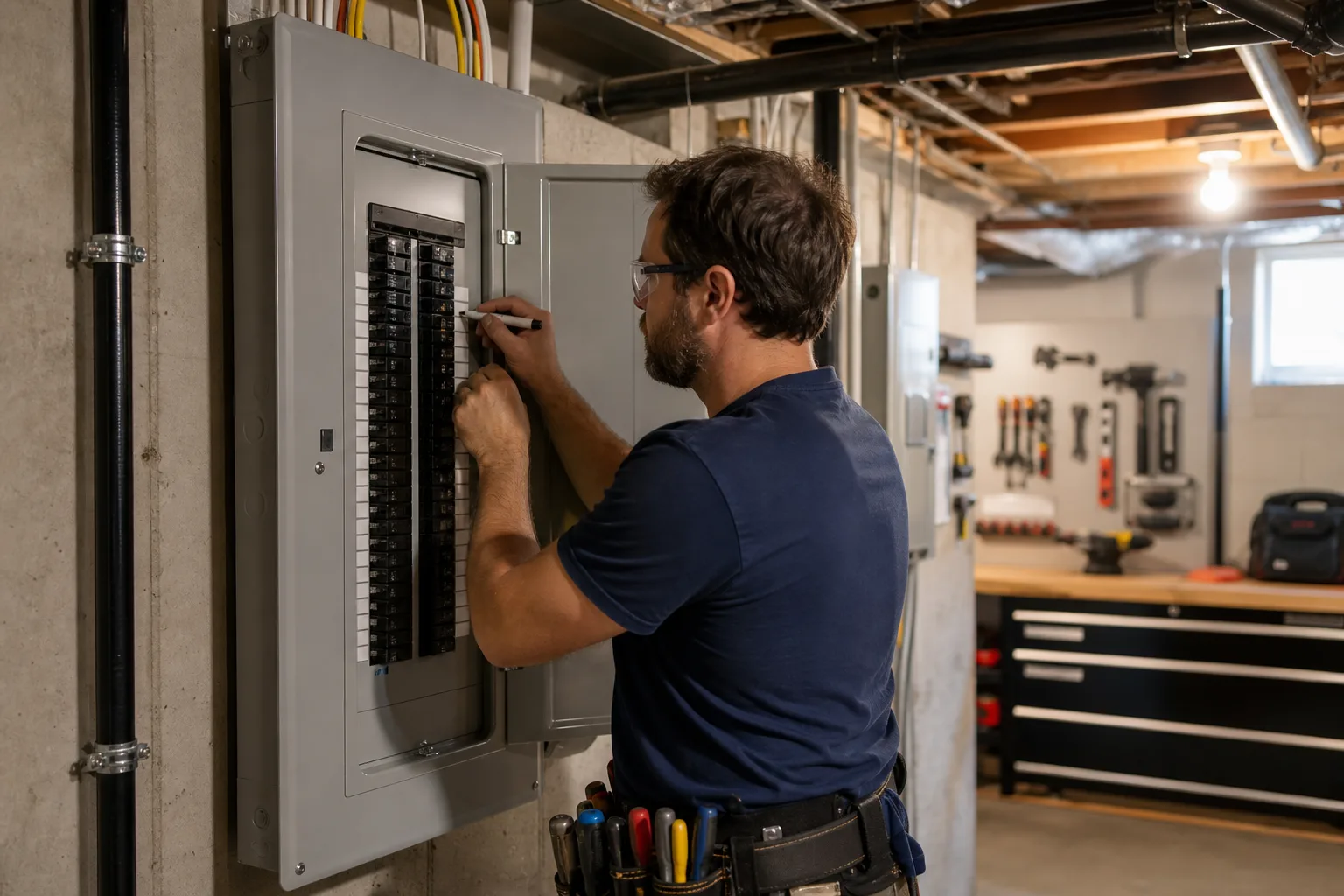
The mistake most companies make is treating cross-selling as a closing technique instead of a diagnostic habit. Homeowners do not resent being told their panel is at capacity while planning a heat-pump install — they resent finding out after the install, when it costs more to fix.
Build pairing maps for every trade you sell
A pairing map is a short list of related projects your team should check for during each visit type. It turns cross-selling from improvisation into procedure, which is what makes it repeatable across technicians with different sales instincts.
Public programs recognize some of these pairings too. The U.S. Department of Energy lists electric wiring and panel upgrades, insulation, air sealing, and electric heating and cooling among the work its Home Energy Rebates can cover, in the states where those rebates are available.
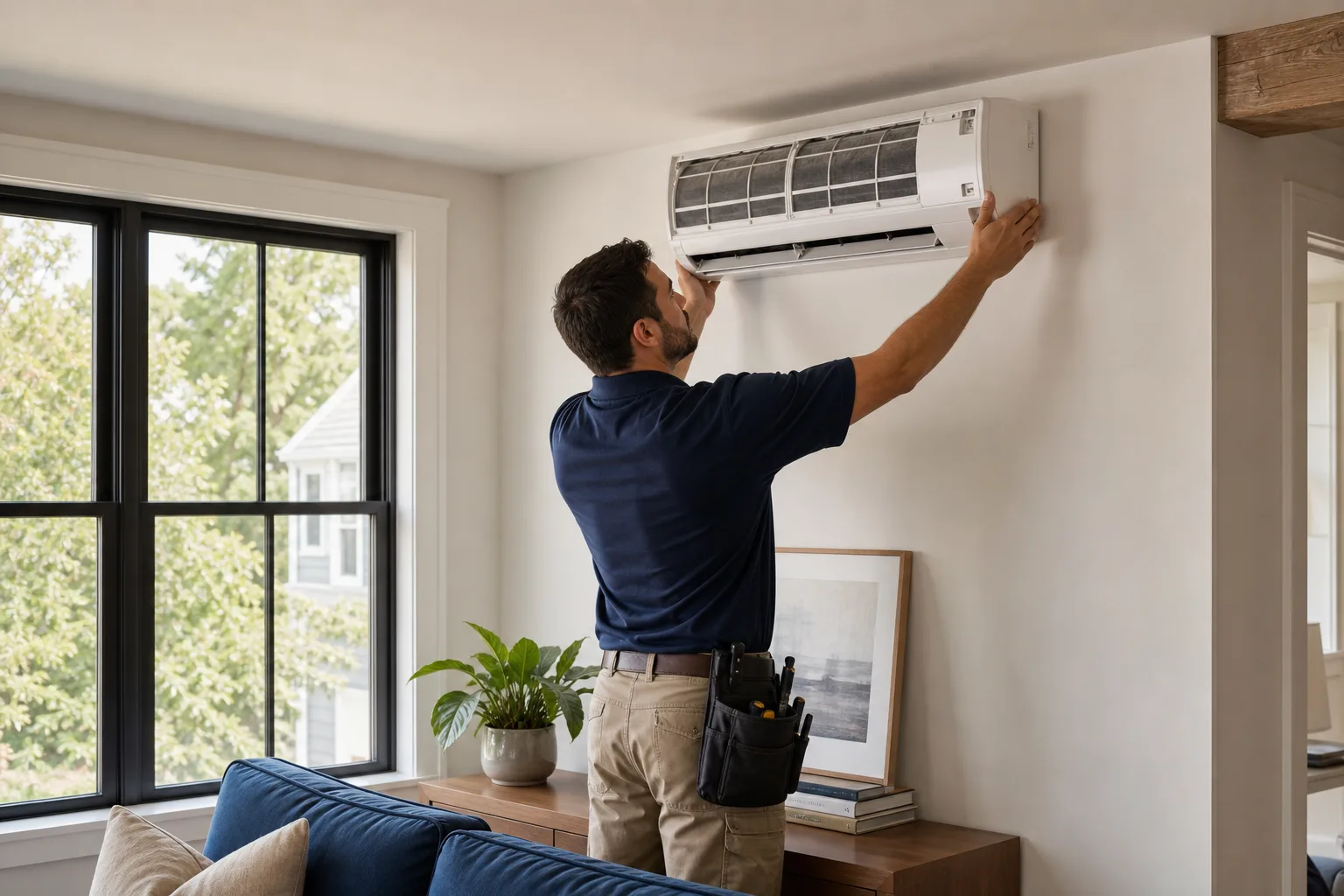
- Heat pump visit → electrical panel capacity, attic insulation, smart thermostat, duct condition.
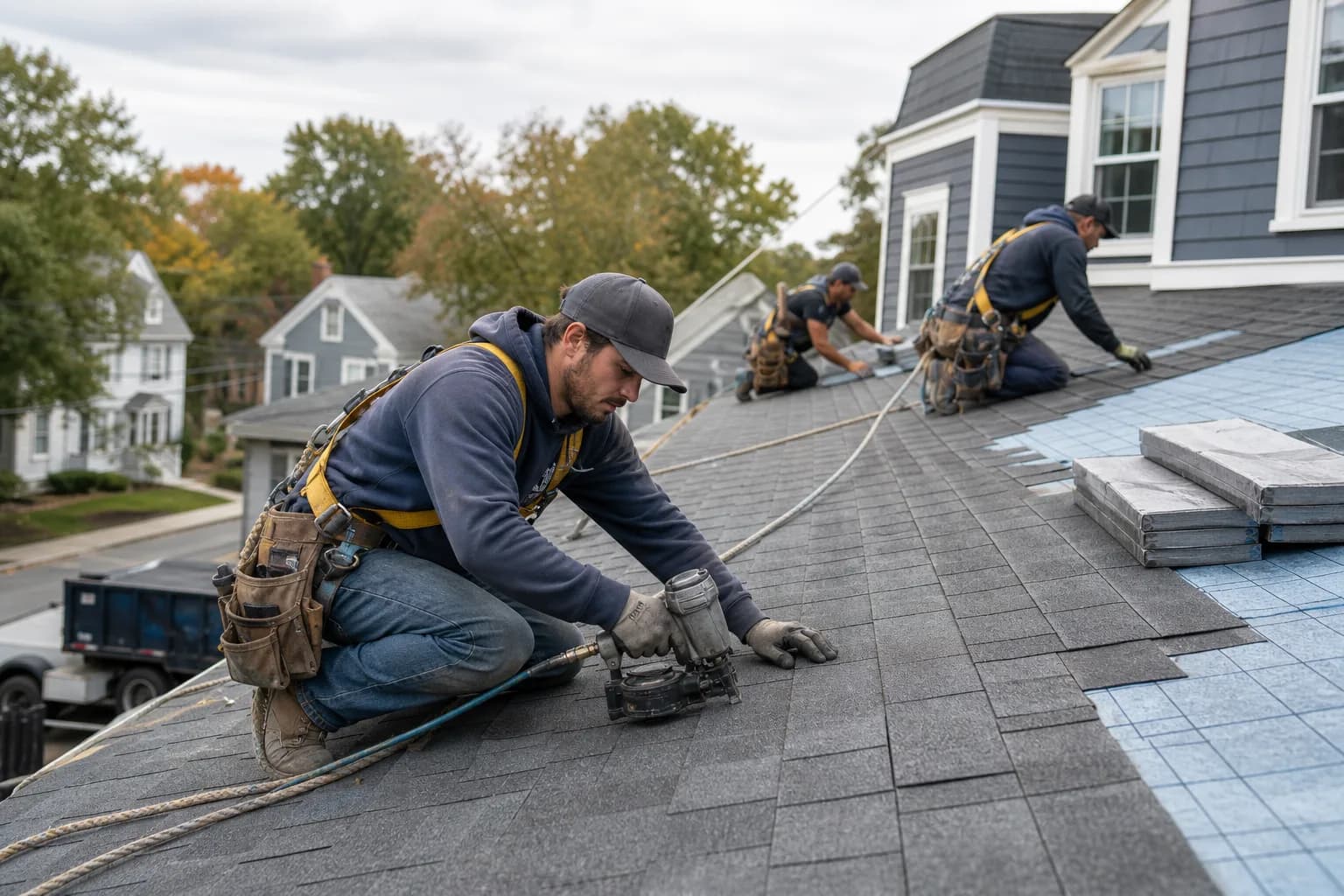
- Roof replacement → attic ventilation, solar readiness, gutter protection, skylight condition.
- ADU consultation → panel upgrade, heat-pump zoning, water service capacity, separate metering.
- Electrical service call → EV charger readiness, surge protection, battery backup, smart-home wiring.
- Water heater swap → whole-home filtration, leak detection, recirculation comfort upgrade.
Timing: offer during the walkthrough, not at the door
The strongest cross-sell happens while the technician is physically pointing at the evidence — a rusted panel, a 1970s attic, a roof deck that will carry solar. At that moment the offer reads as expertise. The same offer delivered at the kitchen table after the main quote reads as upselling.
Train the team to narrate findings during the walkthrough and to take photos. The photos become the proposal's proof section, and the homeowner has already seen the problem with their own eyes before the price appears.
Make the bundle easy to say yes to
Bundled projects fail when they are presented as one giant number. Present the core job, then each add-on with its own price and its own payment figure from the lender, so the homeowner can build the package themselves. A heat pump plus a panel upgrade as one large number is a hard swallow; two clear lines, each with its own payment figure, are a decision a family can actually make. Show the term and APR beside every payment, because Regulation Z's advertising rule requires them when a payment amount is stated.
This is where software earns its keep: a platform like PORTREX keeps the add-on catalog, pairing prompts, photos, financing options, and good-better-best proposal in one flow, so the technician never has to do mental math in front of the customer.
Measure it like a funnel
Track three numbers per visit type: offer rate (how often an add-on was actually presented), attach rate (how often it was accepted), and added ticket. Many teams find their problem is the first number — technicians simply are not offering. Set targets from a few weeks of your own baseline data, then review them every month.
Frequently asked questions
Is cross-selling annoying to homeowners?
Usually not, when the offer is connected to evidence in the home. A homeowner can weigh a related problem the technician can point to; generic pitching that ignores the job they booked is what causes pushback.
How should a home-services team set an attach-rate target?
Start from your own baseline for each visit type, because trades and offers differ. Track offer rate and attach rate separately by technician. If few technicians present add-ons at all, fix the offer rate before you chase the attach rate.
Should technicians or salespeople do the cross-selling?
Both, with different jobs: the technician identifies and documents the related issue during the walkthrough, and the proposal — built by a rep or generated in software — carries the actual offer with pricing and financing.
Sources
Put this playbook to work on your next visit.
PORTREX gives residential service teams cross-sell prompts, tiered proposals, financing options, e-signature, and a $0 customer portal — in one flow your reps can run at the kitchen table.
Explore proposal templatessizing & cost toolscomparisonspricing