Residential solar
Solar sales and financing software
Portrex helps residential solar teams present rooftop systems and solar-plus-storage bundles during an in-home visit. Screen the job, set out clear options, and review financing in the same visit so a larger package is easier to consider. Homeowners can come back to the offer, ask questions, and sign in the customer portal.
 Service photoSolar installation hero
In-home sales
Present solar and storage during the visit
Screen the job, present rooftop solar and storage bundles with financing, and keep the signed proposal path open in the customer portal.
Solar sales software helps an installer turn one in-home visit into a proposal the homeowner can review and sign. The rep captures the home and the electric usage, sets out starter PV, whole-home PV, and solar-plus-storage options from the Pricebook, reviews an estimated monthly payment in the financing step, and sends the proposal for e-signature in the customer portal. Portrex is a sales and financing layer. It does not replace the design and production tool that an installer uses for final system design. A solar proposal should also say plainly that the federal residential solar credit ended for expenditures made after December 31, 2025.
Service intelligence
A richer in-home sales flow than a brochure handoff.
Portrex gives the rep a structured visit: qualification, scope paths, program references, bundle add-ons, and proposal next steps.
Qualification4 fit signals
Scope Options3 configurable paths
Program Checks3 cited program references
Proposal Actions5 proposal next steps
Homeowner FAQ Readiness9 visit answers
Interactive visit planner
Model visit scope and bundle fit before you present.
This rule-based screening worksheet gives your team a preliminary visit signal. Final pricing, approval, eligibility, and scope always come from your company Pricebook and licensed site review.
Visit Fit & Scope Planner
Model visit priority from urgency, home age, scope depth, program checks, and bundle intent.
100/ 100
High-Intent Proposal
Suggested focus: Whole-Home PV. Pair with Get Proposal as the next step and keep final pricing inside your company Pricebook.
Visit Priorities
Translate discovery answers into the conversation points a rep should cover first.
Need Signal27%
Scope Depth27%
Program Complexity31%
Cross-Sell Potential36%
Suggested Package Focus
Keep the visit moving without turning the conversation into a generic quote form.
Primary ScopeWhole-Home PV
Larger system designed around annual usage, roof area, utility rules, and long-term savings goals.
Bundle add-onElectricalView related offer flow
Workspace proofCompany credentials & vault
Keep licenses, insurance certificates, real job photos, and local program notes ready in your PORTREX workspace before sending the proposal.
Visit Readiness Summary
Depth your sales team can use during discovery, comparison, and proposal review.
3Configurable paths
3Program references
9Homeowner Q&A for the visit
3Bundle add-ons in the proposal
- Structured comparison table
- FAQ answers homeowners hear in the visit
- Pricebook-safe next steps in the proposal
Media stack
Show the work, the bundled trade, and the next project visually.
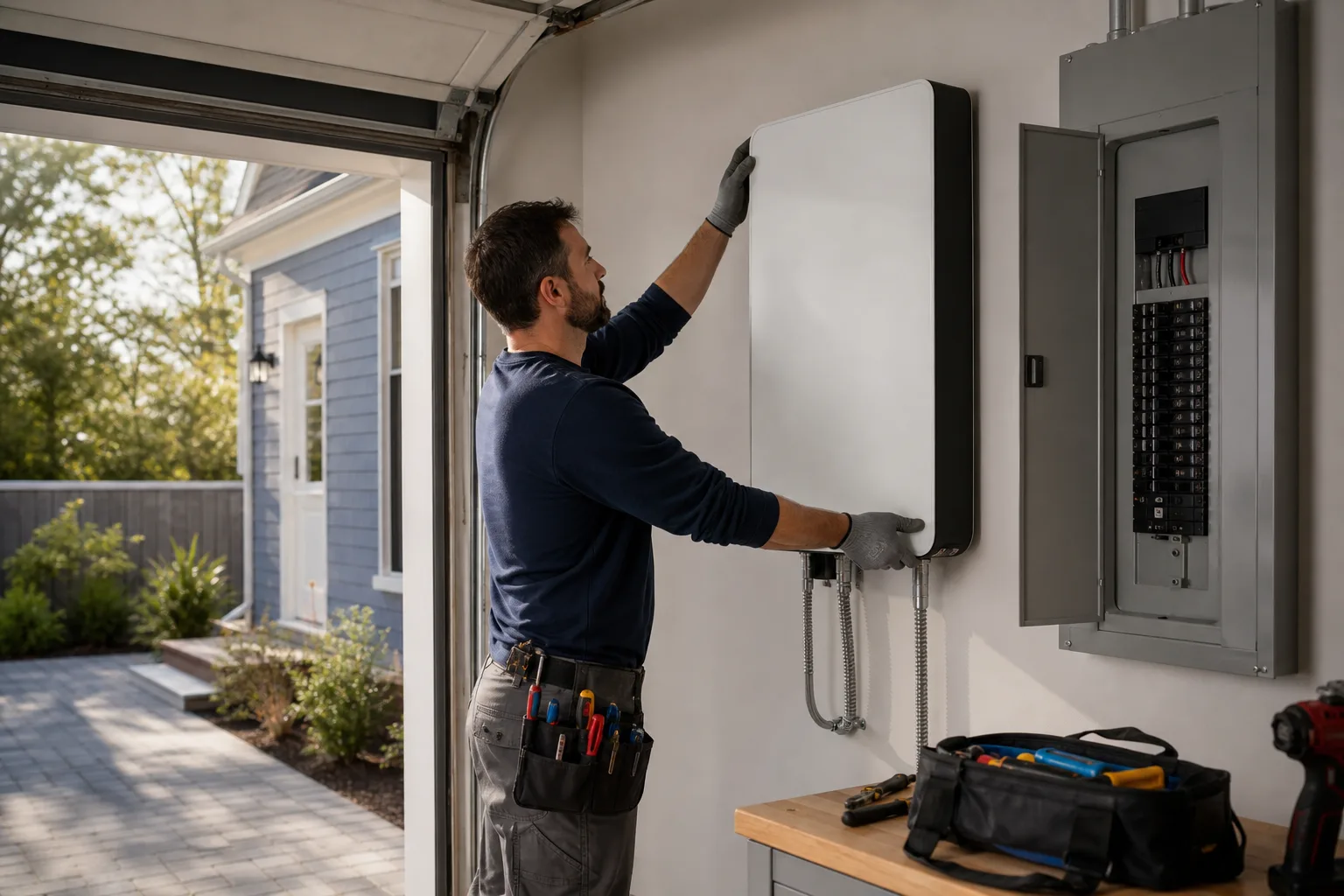
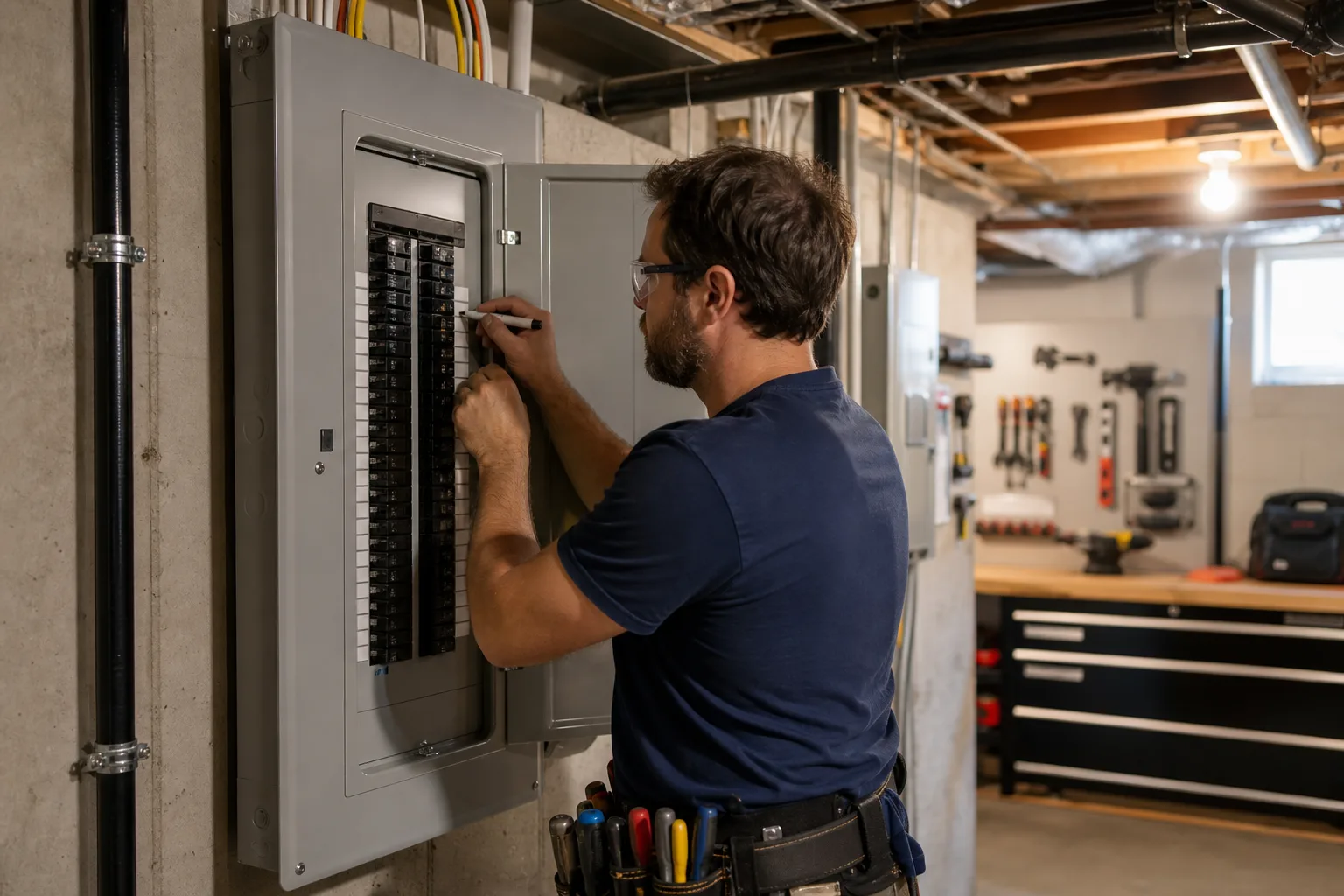
These image-led modules give the provider a richer story than plain copy: current service, related trades in the bundle, proof moments, and approved media.

Who it is for
When to recommend Solar.
Built for solo providers, single-trade shops, and multi-service brokers who run several in-home offer flows from one Portrex workspace.
Homes with strong roof exposure, compatible roofing age, and meaningful electric bills.
Owners considering electrification, EV charging, heat pumps, or batteries.
Providers that sell starter PV, whole-home offset, and solar-plus-storage.
Teams that want the roof, usage, and ownership details captured before a design is requested.
Options and configurations
Service paths your Pricebook can configure.
Solar system pricing is provider-specific and should render after usage, roof, and design review.
 Service photoStarter PV
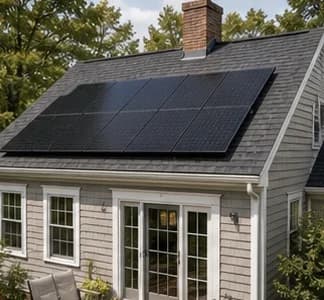
Starter PV
Smaller rooftop array for homeowners who want to offset part of their usage or begin electrification.
- Roof and usage details from the visit
- Production estimate from your design tool
- Provider price configured in Pricebook
 Service photoWhole-home PV
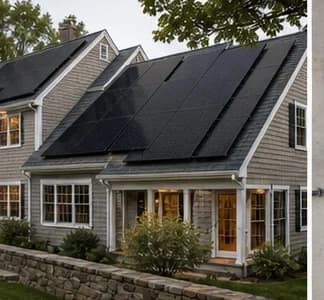
Whole-Home PV
Larger system designed around annual usage, roof area, utility rules, and long-term savings goals.
- Usage and roof-fit review
- Savings model from your design tool
- Provider price configured in Pricebook
 Service photoSolar plus battery
Solar + Battery
Pair rooftop solar with storage for outage resilience, self-consumption, and potential utility program value.
- Backup loads review
- Battery location planning
- Pairs with energy storage incentives
Key benefits
Clear reasons a homeowner should care.
Benefit copy stays homeowner-readable while the underlying offer, bundles, eligibility, and pricing remain provider-configured.
Can lower or offset electric bills over time.
Pairs naturally with batteries, EV chargers, heat pumps, and smart panels.
Keeps the production estimate from your design tool in the same proposal as the price.
Can improve energy independence when combined with backup storage.
Incentives and rebates
Program facts are selling points, not provider prices.
Provider pricing never appears publicly. Incentive references carry source labels and current-eligibility warnings.
Federal solar credit sunset
IRS guidance says the Residential Clean Energy Credit is not available for expenditures made after December 31, 2025.
Source: IRS Residential Clean Energy CreditAsk a tax professional to confirm the current rule before a proposal names a federal credit.Homeowner guidance on going solar
The guide covers roof suitability, the NREL PVWatts production estimator, net metering, storage, financing options, and how to spot red flags.
Source: U.S. Department of Energy: Homeowner's Guide to SolarUse it as a checklist for the homeowner conversation. It does not replace a site-specific design.State and utility solar programs
Solar economics may include federal, state, utility, net-metering, or performance-based program elements depending on location, utility, system size, and current rules.
Source: State and utility programsVerify current eligibility before quoting or publishing.How it works
From first screen to provider proposal.
Solar timelines depend on roof condition, design, financing, permits, interconnection, utility approval, and provider schedule.
Capture address, utility, roof age, shading, monthly usage, and ownership details.
Check roof suitability and production with your design tool, for example NREL PVWatts, before a price is shown.
Compare starter PV, whole-home PV, and battery pairing from the Pricebook.
State the tax-credit status: the federal residential credit ended for expenditures after December 31, 2025. List the state and utility programs that apply.
Review the financing step: an estimated monthly payment and the lender programs for the job. The homeowner applies with the lender.
Send the proposal for review and e-signature in the customer portal, then book the roof inspection and interconnection review.
Comparison
Starter solar vs. whole-home solar
Compare options side by side on the factors that matter when you choose software for your team.
| Decision factor | Starter PV | Whole-home PV |
|---|---|---|
| Goal | Offset part of usage | Offset most or all annual usage |
| System size | Limited roof area or budget | Designed around annual kWh |
| Best pairing | Future heat pump or EV planning | Battery, EV, and full electrification |
| Proposal gate | Roof and usage review | Detailed design and interconnection review |
Starter PV
Offset part of usage
Whole-home PV
Offset most or all annual usage
Starter PV
Limited roof area or budget
Whole-home PV
Designed around annual kWh
Starter PV
Future heat pump or EV planning
Whole-home PV
Battery, EV, and full electrification
Starter PV
Roof and usage review
Whole-home PV
Detailed design and interconnection review
Gallery
Project gallery and visualizer moments.
Each media card is wired to a real project asset; proposals should use verified project photos or approved visualizer after-photos from the provider record.
 Service photoSolar design review
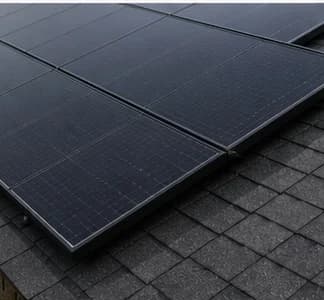 Service photoSolar roof close-up
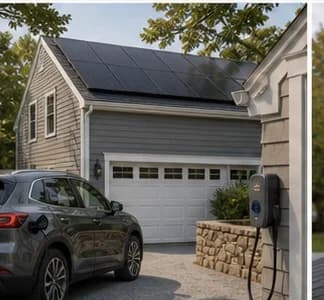 Service photoSolar and EV
FAQ
Common questions about solar installation.
Clear, standalone answers help homeowners qualify the project before they talk with a provider.
How much do solar panels cost?
Solar panel cost depends on system size, roof complexity, electrical work, equipment, battery pairing, financing, local utility rules, and provider Pricebook. Send a custom quote in the proposal instead of publishing public list prices.
Is solar worth it?
Solar can be worth it when roof exposure, electric usage, utility rules, tax-credit eligibility, and ownership timeline support savings. A site-specific production and financial model is required before a homeowner decides.
What is current solar tax credit eligibility?
Current solar tax credit eligibility depends on the date of the expenditure, taxpayer status, equipment, and current IRS guidance. As of this page update, IRS guidance says the residential clean energy credit is not available for expenditures made after December 31, 2025.
Do solar panels work with a battery?
Solar panels can pair with a home battery to store energy, support backup loads, and increase self-consumption. The right battery size depends on outage goals, loads, and system design.
Does my roof need replacement before solar?
A roof should be inspected before solar. If the roof is near the end of its useful life, replacement or repair may be recommended before panels are installed.
What is solar sales software?
Solar sales software lets an installer present solar options, show financing, and collect a signature from the in-home visit. Portrex does this with your Pricebook, a financing step, and the customer portal.
Does Portrex design the solar system?
No. Use your design tool for final layout and production. NREL PVWatts is a free public tool for a production estimate. Portrex keeps that result next to the price in the proposal and handles the offer, financing, and signature.
How does financing work on a solar proposal?
The financing step shows an estimated monthly payment for the selected system and lists lender programs for the job. It is an estimate, not an offer. The homeowner applies with the lender, and the lender sets the final terms. The U.S. Department of Energy notes that a purchased system can cost less in total than a loan, lease, or power purchase agreement.
What mistakes should a solar rep avoid at the kitchen table?
Do not quote a federal credit that ended, do not promise savings before a site-specific production estimate, and do not rush the homeowner. The U.S. Department of Energy tells homeowners not to give in to pushy sales tactics when they shop for solar.
From the blog
Sales playbooks for Solar teams.
Field guides on selling, financing, and following up on solar projects — written for the reps who run the visit.

Conversion system
Run a complete Solar offer from every in-home visit.
Launch a Pricebook-safe experience with guided in-home qualification, interactive scope planning, media proof, financing options, and $0 customer portal follow-up.
1Score the project
2Show the right options
3Present the bundle
4Send the proposal
Start QualificationModel SavingsOpen Financing PathBook Inspection FlowBuild Proposal Flow
Estimates are for preliminary screening only; final pricing, eligibility, financing approval, zoning, and permitting are verified by the appropriate lender, municipality, licensed professional, and provider.