In-Home Sales Process: A 7-Step Framework
An in-home sales process is the repeatable sequence a residential service company follows from the moment a visit is booked to the moment the homeowner signs: preparation, arrival, discovery, walkthrough, options presentation, financing, and close. A defined process helps because every step exists to remove a specific reason homeowners say 'let me think about it.'
Step 1–2: Preparation and arrival
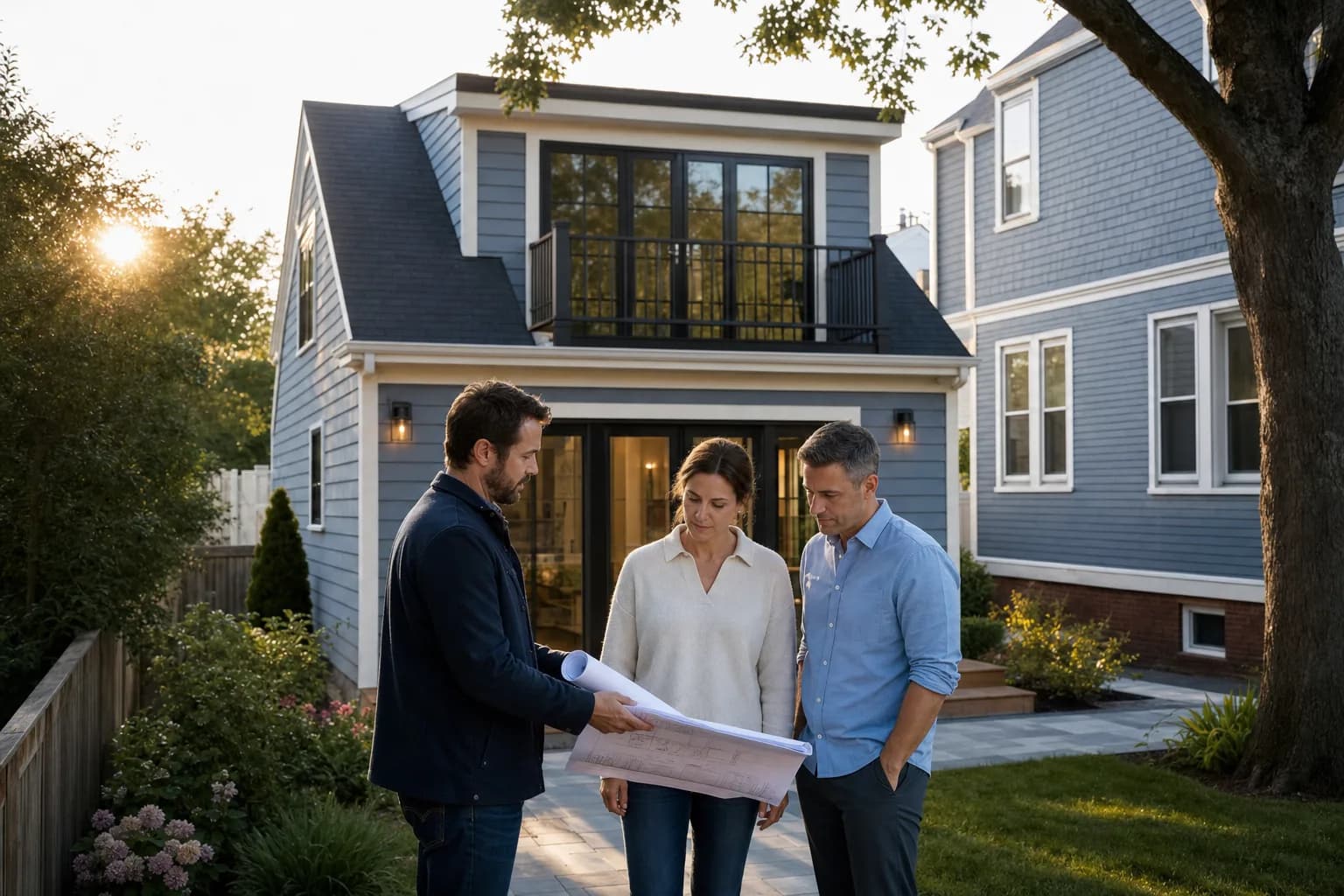
Before the truck leaves, the rep should know the property's age, roughly when major systems were installed, what the homeowner asked for, and any service history. Five minutes of preparation changes the opening conversation from interrogation to confirmation.
Arrival sets tone: confirm the agenda ('today I'll inspect the system, walk the house with you, and leave you exact options with pricing'), and ask who else is part of the decision. Discovering a missing decision-maker at minute 80 is the most preventable lost sale in the industry.
Step 3–4: Discovery and the guided walkthrough
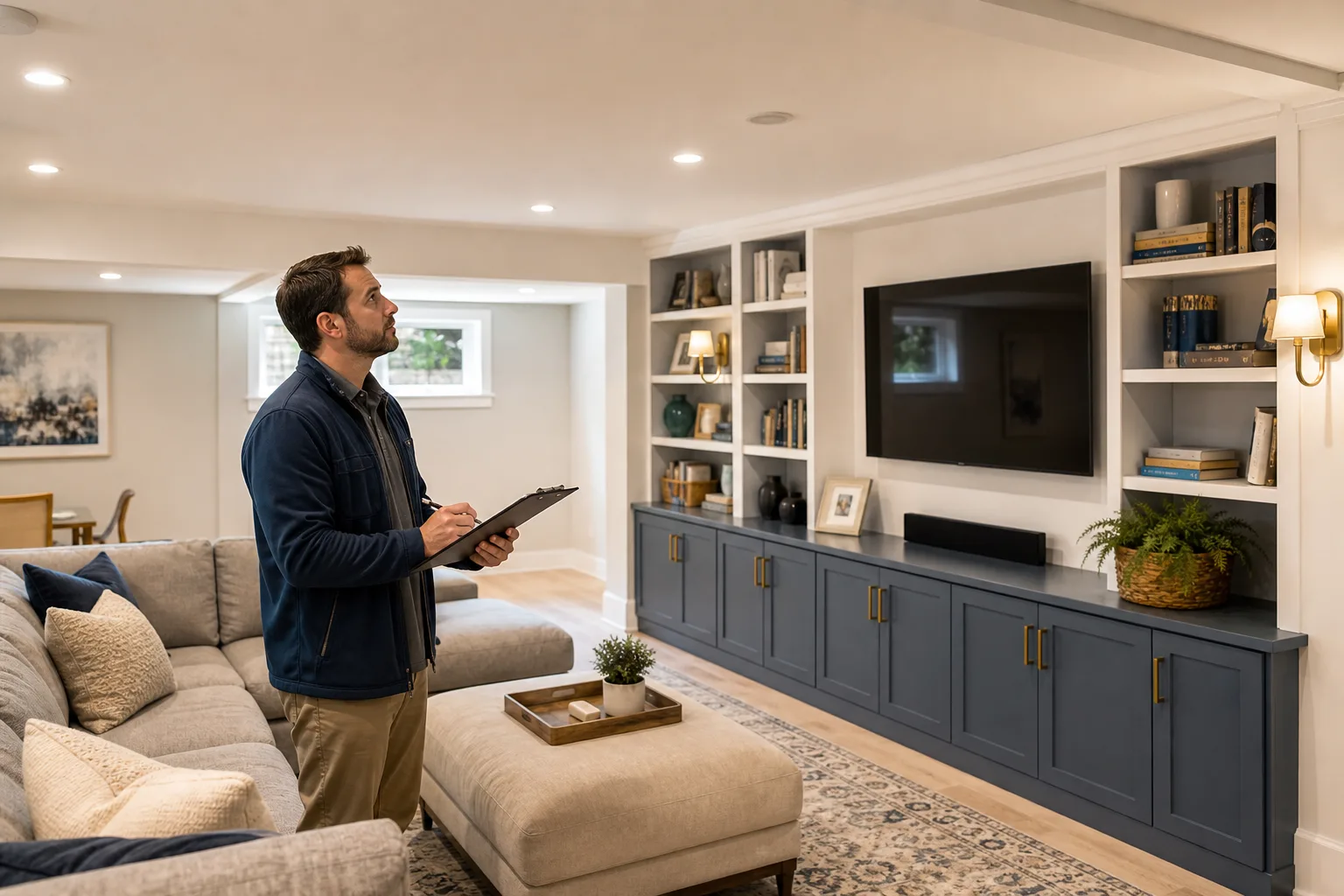
Discovery is six to eight questions asked at the table before touching anything: what prompted the call, what's bothering them about the current system, how long they plan to stay in the home, and whether comfort, cost, or resale drives the decision. The answers decide which good-better-best tiers make sense.
Then walk the home with the homeowner, not around them. Narrate what you see, photograph everything notable, and flag related issues from your pairing map. Each photographed finding becomes proof in the proposal and a natural cross-sell anchor.
Step 5: Present options, not a number
Build the proposal in the home, on a screen the homeowner can see. Three tiers work because they move the question from 'should we do this' to 'which one fits us.' Anchor high, but make every tier genuinely sensible — a stripped 'good' option that no one should buy poisons trust in the other two.
- Good: solves the presenting problem with quality parts and labor.
- Better: adds efficiency, warranty, or the most natural paired project.
- Best: the full bundle — system, related upgrades, longest protection.
Step 6: Put financing beside every tier
Many homeowners think about monthly obligations more than project prices. Showing each tier with the lender's payment figure beside the cash price lets a larger 'best' option be compared with a smaller 'good' option on a monthly basis — a conversation about value instead of sticker shock. Take every figure from the lender's own terms and show the term and APR beside it: Regulation Z's advertising rule requires the repayment terms and APR when a payment amount is stated.
Step 7: Close on logistics, then follow up through a portal
The close is a calendar question: 'If you go with Better, we can have the crew here Tuesday — does morning or afternoon work?' If the homeowner needs time, do not leave a paper quote that dies on the fridge. Send a portal link where they can re-read options, see the photos, ask questions, and sign — and where you can see whether they ever opened it. That visibility is what separates follow-up from hoping.
A sale signed in the homeowner's home may carry a three-business-day right to cancel under the FTC Cooling-Off Rule, with a written notice of cancellation. Build that notice into the signing step, and check your state's home-solicitation and contractor rules.
For a side-by-side view of the tool categories, read the in-home sales software buyer's guide.
Frequently asked questions
How long should an in-home sales visit take?
Plan for 60–90 minutes: ten for discovery, twenty to thirty for the inspection walkthrough, twenty for building and presenting options, and the rest for financing and scheduling. Rushing discovery is the most common cause of weak proposals.
What close rate is good for in-home sales?
It depends on the trade, the lead source, and the price point, so benchmark against your own history. Track close rate by lead source, and compare proposals presented in the home with proposals sent afterward, using your own data.
Does a one-call close pressure homeowners?
A one-call close removes friction, not deliberation. Presenting complete options with financing in the home lets the homeowner decide with full information while questions can still be answered; a portal follow-up preserves the decision space for those who need more time.
Sources
Put this playbook to work on your next visit.
PORTREX gives residential service teams cross-sell prompts, tiered proposals, financing options, e-signature, and a $0 customer portal — in one flow your reps can run at the kitchen table.
Explore proposal templatessizing & cost toolscomparisonspricing