How to Sell ADUs: A Sales Process for Builders
Selling ADUs is feasibility-first selling: before a homeowner cares about floor plans, they need to believe the unit is buildable on their lot and that the numbers work. The process that converts is qualify the lot, anchor on rental income or family use, present two or three model paths with all-in budgets, pair the build with its electrical and comfort dependencies, and route financing before the site visit — so the consultation confirms a decision instead of starting one.
Qualify the lot before you romance the plans
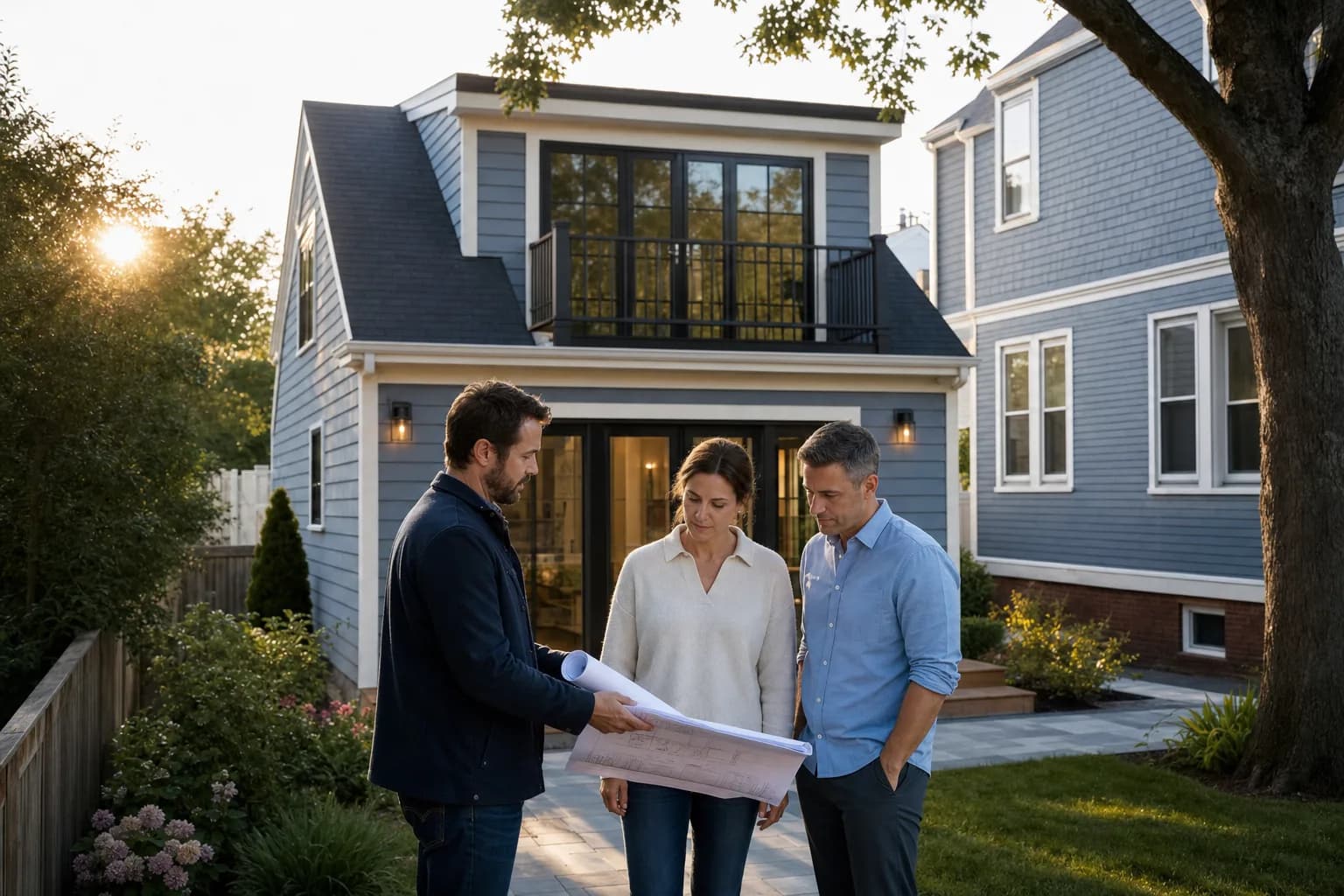
Most ADU deals die on facts available in the first call: lot size, zoning district, setbacks, existing square footage rules, alley or side access, and sewer capacity. Screen those upfront — with parcel data and local rules — and you stop driving to dead lots while building immense credibility with the homeowners you do visit.
Make the output tangible: tell the homeowner the maximum unit size, setbacks, and unit types the local ordinance allows on their lot, and cite the ordinance. A concrete answer turns daydreaming into planning. Rules differ by state and city; California, for example, publishes statewide ADU rules and a handbook through its housing department.
Sell the income statement, not the cottage
Anchor every conversation on what the unit does: rental income (compare to local one-bedroom rents), a parent aging in place near family, or a returning graduate with a private entrance. Then show the bridge: market rent set beside the financed payment. When the rent covers a large share of the payment, the homeowner sees a small net monthly cost, shown with the assumptions labeled.
Name your models
Open-ended 'we build anything' quoting forces homeowners to design before they buy, which stalls everyone. Productize: a studio conversion package, a one-bed detached, a two-bed family unit — each with a floor plan, finish level, an all-in budget range, and a build timeline. Custom is still available; it's just no longer the entry point.
- Garage conversion: often the lowest-cost path; confirm local permit rules.
- Detached backyard: highest rent and privacy, full-site work.
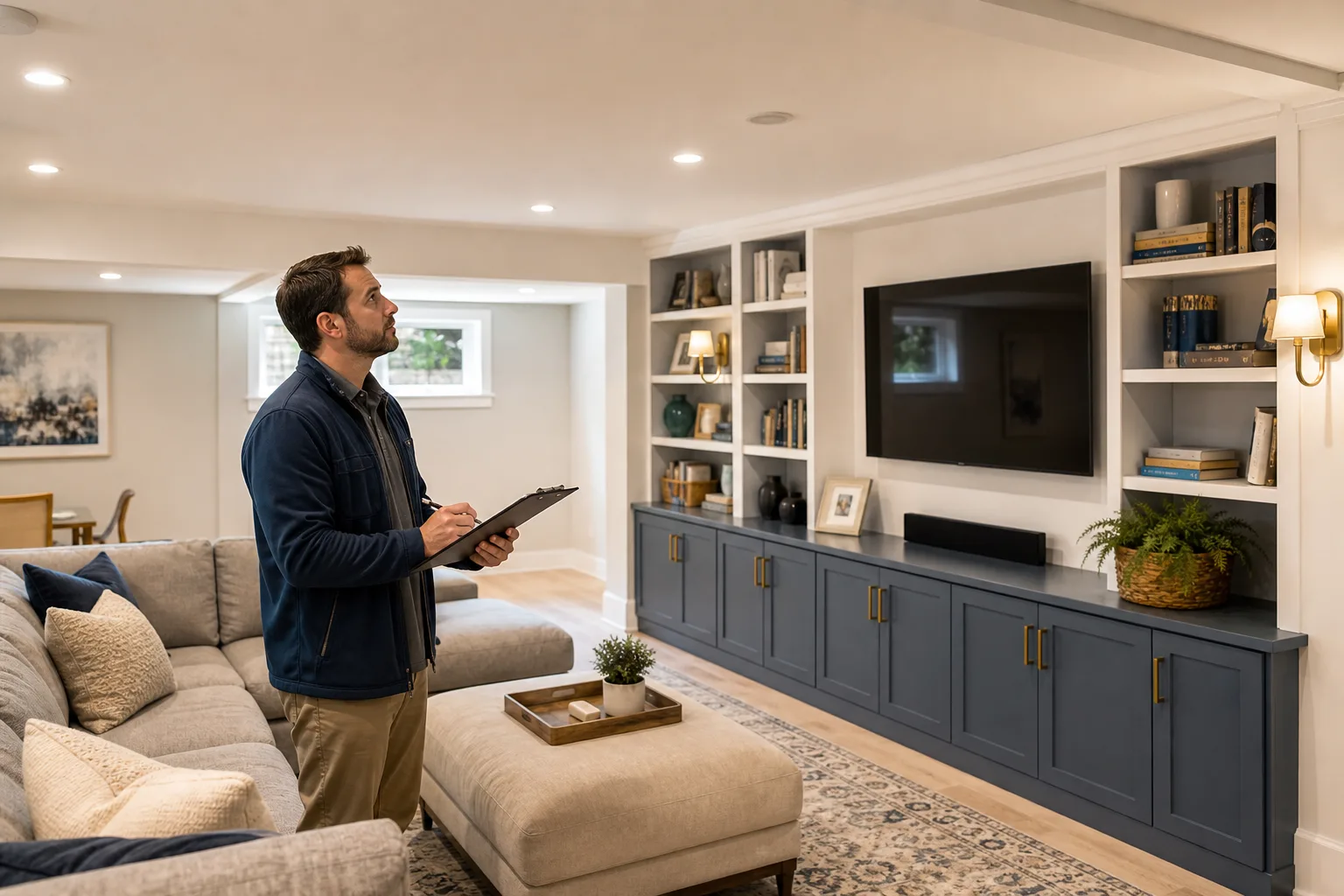
- Basement ADU: weather-independent build, egress and ceiling-height dependent.
- Above-garage: preserves yard, structural and stair dependencies.
Bundle the hidden systems into the first number
ADUs fail in the change-order phase: the 100-amp panel that can't carry a second dwelling, the comfort system nobody scoped, the water line that needs upsizing. Winners put those in the original proposal as visible line items — often with their electrician and HVAC partners' pricing attached. The all-in number is bigger, but it's real, and 'no surprises' is the strongest differentiator in this category.
This is exactly the kind of multi-trade bundle a platform like PORTREX is built to present: the ADU model, the panel upgrade, the heat-pump zoning, and the financing path on one homeowner-readable page.
Financing is the deal, not a footnote
Projects this size move on monthly math. Know the local menu — renovation loans, HELOCs, cash-out refis, and the state ADU programs several markets now offer — and present rent-offset monthly numbers in the first proposal, with the loan terms shown next to them. The homeowner who sees a small net carrying cost against the asset books the site visit.
Frequently asked questions
What is the best first question for an ADU lead?
Ask what the unit is for — rental income, family housing, or workspace. The answer drives the model, the budget anchor, and the financing story, and it tells you whether a feasibility screen or a rent comp will close the consultation.
How long is a typical ADU sales cycle?
The cycle depends on feasibility, design, and financing steps. Productized models with upfront feasibility screening shorten it by removing the open-ended design phase. Track days from inquiry to contract in your own pipeline.
Should builders charge for ADU feasibility studies?
Some builders charge a modest fee, credited against the project, to filter serious buyers. A software-assisted screen of zoning and lot constraints lets you give a useful free first answer and reserve the paid study for design-level detail.
Sources
Put this playbook to work on your next visit.
PORTREX gives residential service teams cross-sell prompts, tiered proposals, financing options, e-signature, and a $0 customer portal — in one flow your reps can run at the kitchen table.
Explore proposal templatessizing & cost toolscomparisonspricing