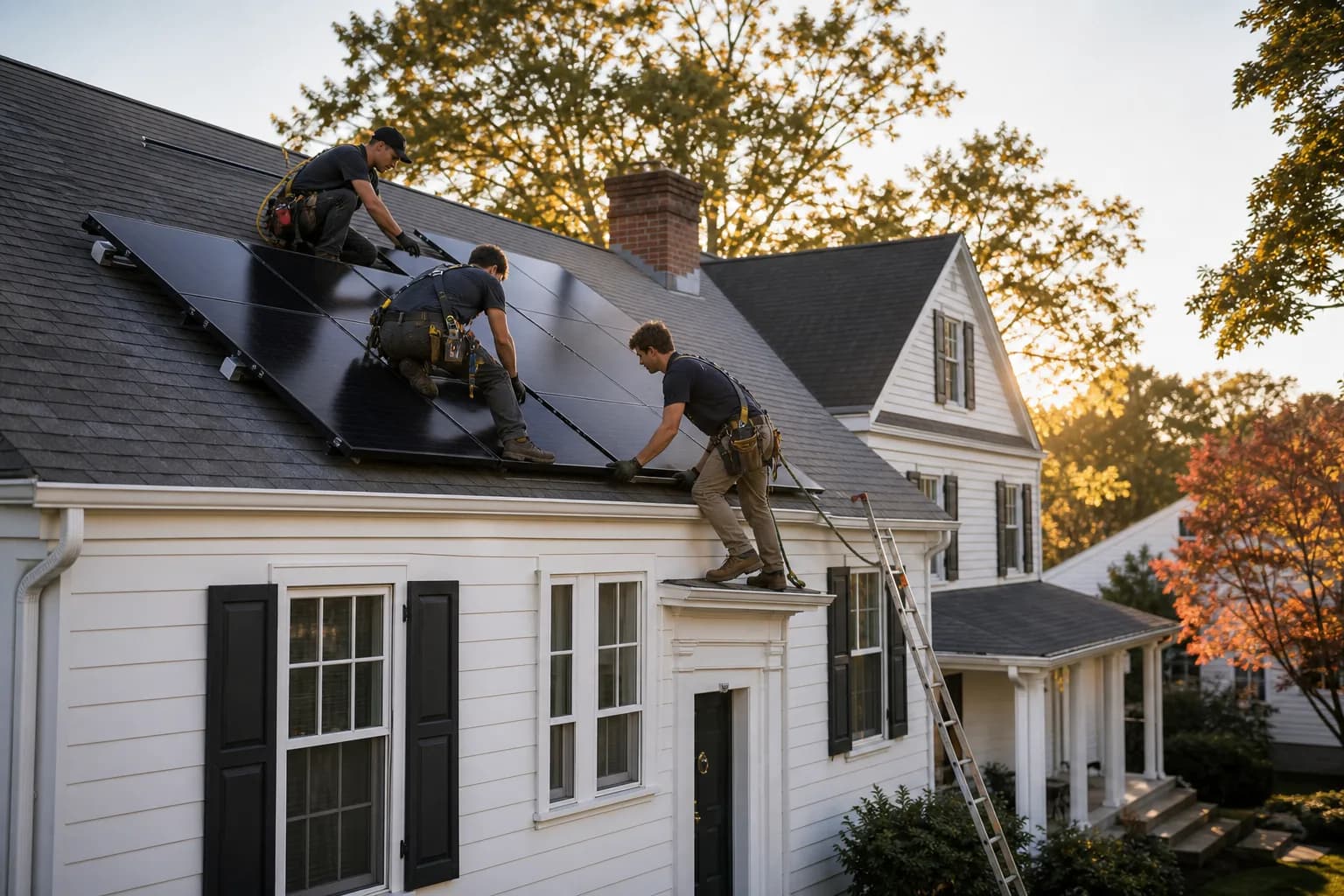
How to Sell Battery Backup: Honest Sizing
Battery backup sells on a priorities conversation: which circuits matter when the grid fails, for how long, and what is that certainty worth to this household? The strong process sizes storage to those named priorities (not to 'whole home' by default), compares honestly against a standby generator, pairs with solar where the economics support it, and uses time-of-use arbitrage and utility battery programs to turn a resilience purchase into one with a payback story.
Discovery: the outage interview
Ask about the last three outages: duration, season, what failed, what it cost (spoiled food, hotel nights, flooded basement from a dead sump, missed work). Then ask what must stay on. The answers convert directly into a backed-circuits list and hours-of-autonomy target — and the homeowner has just built their own justification.
The generator question, answered first
Standby generators are the incumbent. Present the comparison before the homeowner asks:
- Battery: instant transfer, silent, no fuel or exercise cycles, daily TOU value, indoor-air clean — limited duration without solar.
- Generator: long-duration as long as fuel flows — but noise, maintenance, fuel dependency, and no value on the days nothing fails.
- Hybrid truth: deep-winter, multi-day-outage homes sometimes deserve generator or battery-plus-generator; saying so when true wins referrals.
Make the battery earn money between outages
Where rate plans and programs allow, the same hardware does daily work: charge cheap or from solar, discharge at peak, and enroll in utility virtual-power-plant programs that pay annual incentives for event participation. Showing the program's published annual credit plus bill arbitrage, with the utility's current terms attached, transforms the proposal from insurance into infrastructure.
Quote it like an engineer
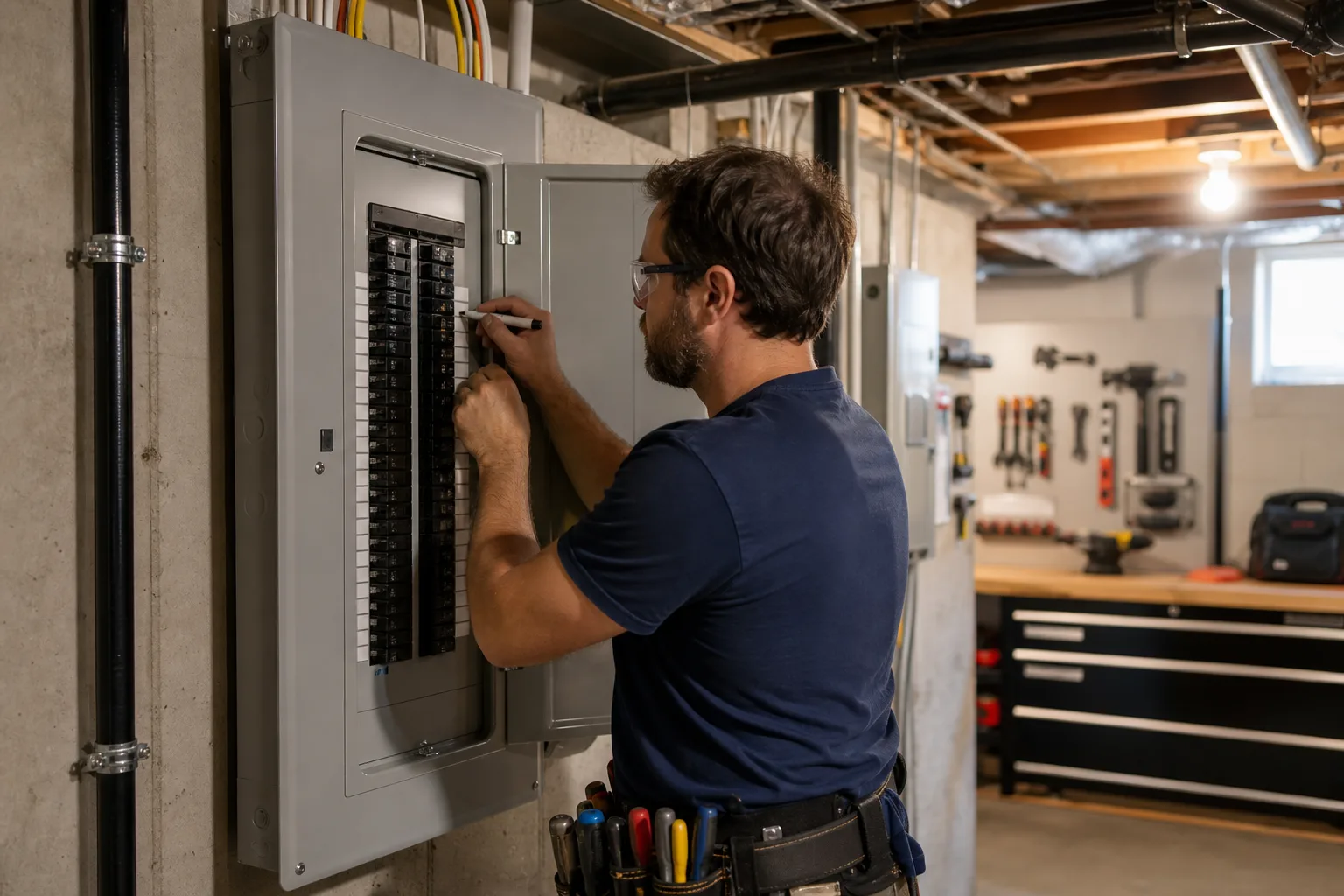
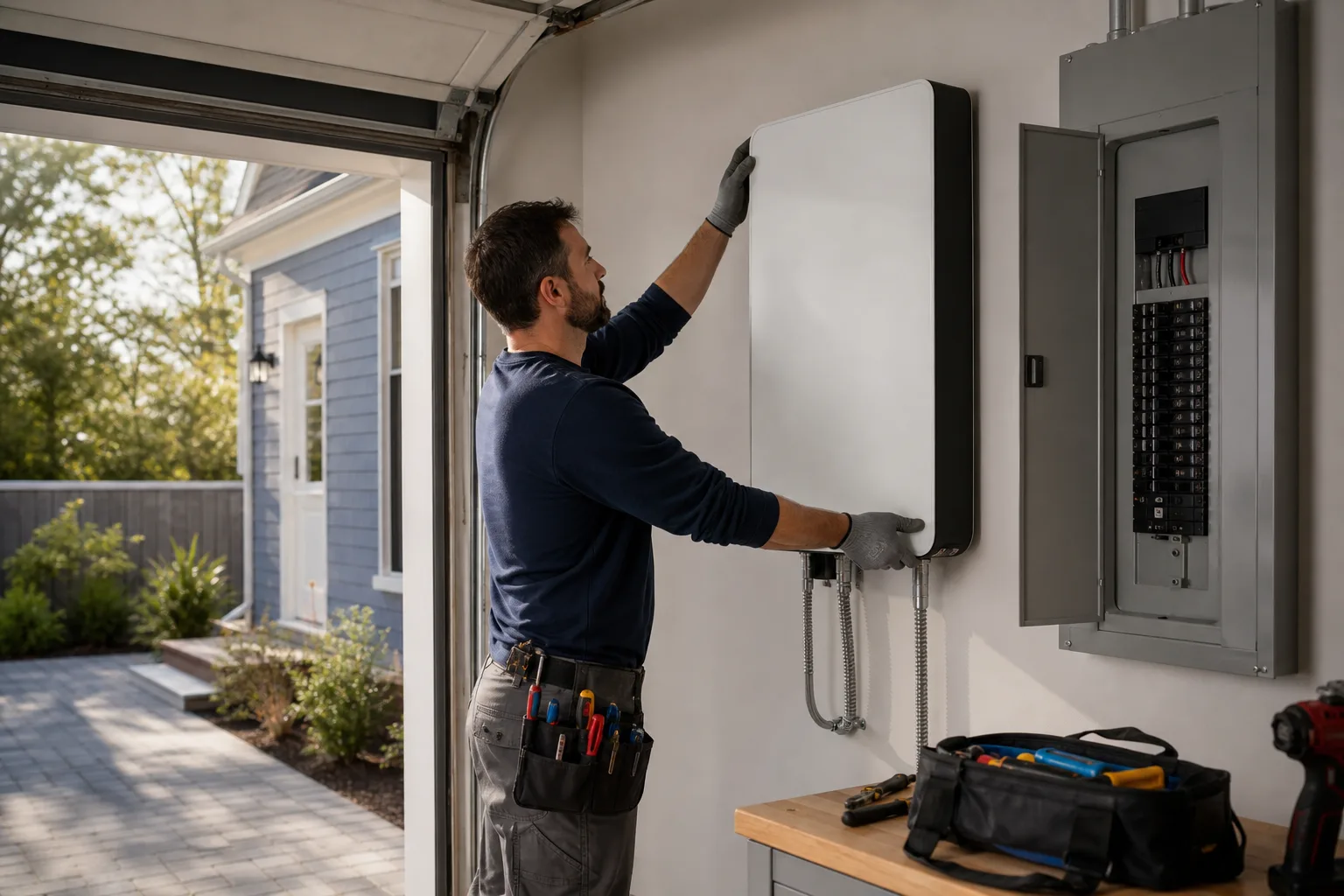
The proposal should show the backed-up panel schedule, expected autonomy at typical loads, recharge behavior with and without solar, and the install scope (panel work included — see the load-calculation playbook). Installation location and clearances follow local code, and NFPA 855 is the national standard for installing stationary energy storage systems. Overselling 'whole home for days' is the category's biggest review-generator; under-promising autonomy and over-delivering is the durable play.
Frequently asked questions
What's the best entry point for battery conversations?
Existing solar customers and storm-prone neighborhoods after an outage event. Solar owners already understand kWh and often have inverter-compatible pathways; post-outage neighborhoods have fresh, quantified pain.
How many batteries does a typical home need?
For essentials-only backup (refrigeration, lighting, communications, a circulator or sump), a single unit can be enough for a short outage, depending on the load list. Whole-home or electric-heat backup typically means multiple units — which is exactly why priority-based sizing should lead the conversation.
Do batteries qualify for tax credits?
Not at the federal level for new purchases. The federal residential clean-energy credit (25D), which had covered qualifying home storage, is not allowed for expenditures made after December 31, 2025, per the IRS home energy tax credits page. Several states and utilities run their own storage programs. Confirm current terms with the program administrator rather than guaranteeing outcomes.
Sources
Put this playbook to work on your next visit.
PORTREX gives residential service teams cross-sell prompts, tiered proposals, financing options, e-signature, and a $0 customer portal — in one flow your reps can run at the kitchen table.
Explore proposal templatessizing & cost toolscomparisonspricing