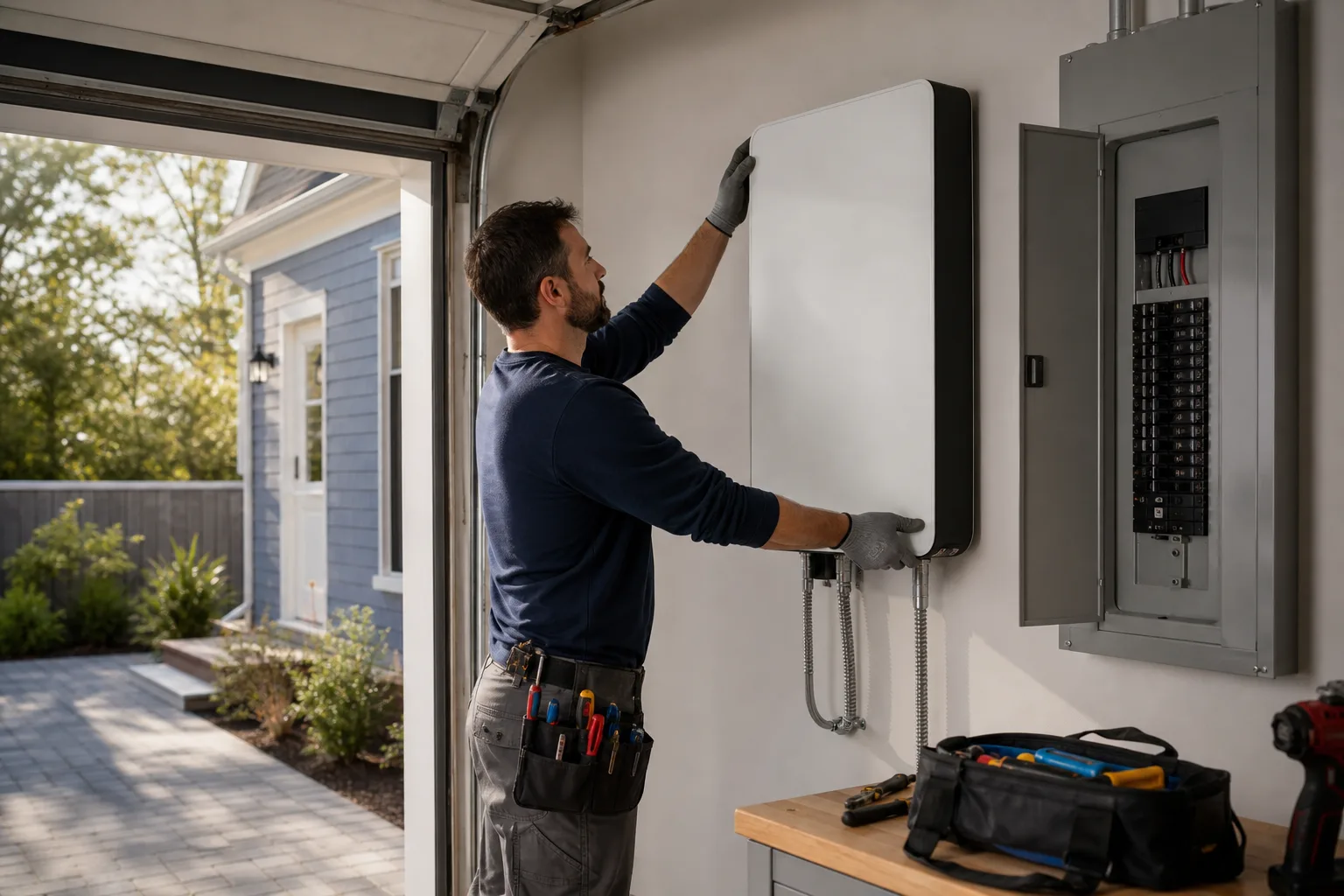
How to Sell Heat Pumps: Cold-Climate Objections
To sell heat pumps, meet the three common objections before the homeowner raises them: 'they don't work in the cold', 'they cost more than a furnace', and 'the air feels lukewarm'. Answer each with proof: the manufacturer's rated heating capacity for the exact model, savings math from the homeowner's own fuel bills, and an honest comparison against the like-for-like replacement. Then confirm incentives with the program administrator and put one clear proposal on the table. To build the comparison proposal on the visit, use heat pump sales software.
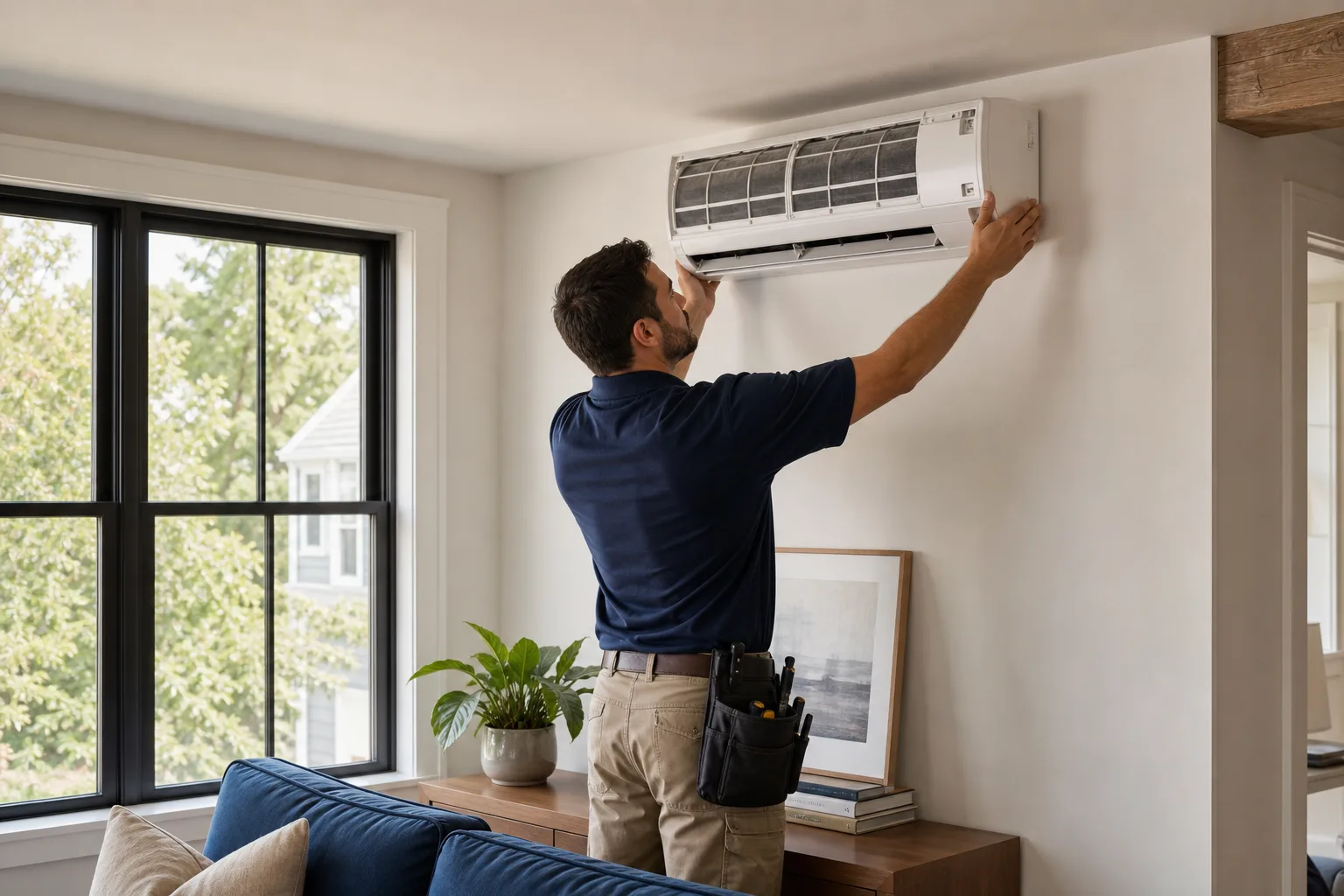
Kill the cold myth with numbers, not assurances
'Will it work in winter?' deserves a spec sheet, not a 'trust me.' Show the manufacturer's capacity table for the model you quote: its rated output at 5°F and how far below zero it keeps producing heat. Pair it with a local proof point — an install from last February with the homeowner's first-winter bills — and the objection usually dies on the spot.
Savings math that survives scrutiny
Generic 'save big!' claims create skeptics. Instead, price the customer's last twelve months of fuel: gallons of oil at today's price, therms of gas, kWh of resistance heat. Then model the same heat delivered at the heat pump's rated coefficient of performance (COP, the heat delivered per unit of electricity) for your local design temperature. Oil and propane conversions can pencil to large annual savings; efficient natural gas is honestly modest, and saying so out loud buys you credibility that closes the comfort-and-cooling story instead.
Bring the incentives that are real
The sticker gap between a heat pump and a furnace swap can shrink once you bring the local programs most reps leave on the table. Confirm current terms with each program administrator before you quote. Keep the federal picture straight too: the IRS says the federal 25C efficiency credit is not allowed for property placed in service after December 31, 2025, so do not promise it.
- State programs and green-bank financing where available.
- Utility rebates, which vary widely by program and territory.
- Panel-upgrade incentives when electrical work rides along and a local program offers them.
How to answer the other common objections
Prepare a short, honest answer for each objection. Do not argue. Show the spec, the bill, or the load calculation.
- 'It costs more than a furnace.' Compare the whole job: heating and cooling on one system against a furnace plus an air conditioner. List confirmed incentives on their own lines.
- 'The air feels lukewarm.' A heat pump delivers steady, lower-temperature heat. Explain this before the first winter, and tell the homeowner to leave the thermostat at one setting instead of using big setbacks, as ENERGY STAR advises.
- 'What if it gets very cold?' Show the rated capacity at 5°F. Explain that a back-up heat source or a dual-fuel setup can cover the coldest hours, which ENERGY STAR describes for very low temperatures.
- 'Will my panel handle it?' Say that a licensed electrician must verify capacity before final scope, and offer the electrical work in the same proposal.
- 'My neighbor's unit failed.' Ask what unit it was and how it was sized. Offer a load calculation for this home.
A step-by-step heat pump sales visit
Use the same order on every visit so no step is skipped.
- 1. Ask what the homeowner heats with today, what the bills look like, and what is wrong with comfort.
- 2. Collect the last twelve months of fuel or electric bills, and note the age of the current equipment.
- 3. Check the electrical panel and the duct condition. Flag a panel upgrade early.
- 4. Size the job with a proper load calculation. A rule-of-thumb figure is only a preliminary sizing estimate.
- 5. Choose a model with a published capacity at 5°F and compare it with the like-for-like replacement.
- 6. Confirm incentives with each program administrator, and write uncertain ones on their own line.
- 7. Present good, better, and best options. Include a dual-fuel option for very cold homes.
- 8. Review financing, send the proposal for e-signature, and book the follow-up before you leave.
Mistakes that lose heat pump deals
Avoid these five.
- Promising savings before you see the homeowner's actual bills.
- Quoting a federal credit that has ended.
- Sizing by square footage alone.
- Hiding the electrical work until after the price is agreed.
- Leaving without a dated follow-up.
The comparison proposal
Homeowners shopping a dead furnace are comparing you to a like-for-like furnace-and-AC swap, whether you acknowledge it or not. Put that column in the proposal: furnace+AC replacement vs. cold-climate heat pump, each with installed price, confirmed upfront reductions, amount financed, ten-year energy cost, and summer cooling included. List any rebate that is uncertain or arrives later on its own line, and never subtract it from the financed amount. When the monthly difference is small for whole-home heating and cooling on one system, the conversation changes sides.
A structured proposal tool keeps this honest and fast. In PORTREX, the rep builds the options from the Pricebook, reviews the financing step with an estimated monthly payment, and sends the proposal for e-signature from the visit, instead of promising to 'run numbers back at the office'. The homeowner applies with the lender, and the lender sets the final terms. See the heat pump page for the software workflow.
Frequently asked questions
How do I sell a heat pump to a homeowner who thinks it won't work in the cold?
Show the manufacturer's rated heating capacity at 5°F for the exact model. ENERGY STAR cold-climate certification tests performance down to 5°F. Explain that a back-up heat source can cover the coldest hours, and offer a load calculation for the home.
What's the strongest customer profile for a heat-pump pitch?
Homes heating with oil, propane, or electric resistance, especially those that also need AC. The fuel savings can be large and verifiable, and cooling comes 'free' with the conversion — those proposals frequently sell themselves once the bill math is on paper.
How do I answer 'my neighbor's heat pump didn't keep up'?
Older or mis-sized units can underperform in cold snaps. Explain what changed, such as cold-climate certification testing and proper Manual J sizing, and offer the spec sheet plus a load calculation for their home rather than arguing about the neighbor's installer.
Should I sell hybrid (dual-fuel) systems?
In very cold markets or gas-cheap regions, a dual-fuel option as the 'better' tier de-risks the decision for nervous buyers and keeps you in the deal. Many convert to full electrification at the next replacement once the heat pump proves itself.
Sources
Put this playbook to work on your next visit.
PORTREX gives residential service teams cross-sell prompts, tiered proposals, financing options, e-signature, and a $0 customer portal — in one flow your reps can run at the kitchen table.
Explore proposal templatessizing & cost toolscomparisonspricing