Roofing Sales Tips: Inspections, Storm, and Retail
The best roofing sales tips are simple: show the homeowner proof of what is wrong, keep insurance work and retail work in separate processes, offer three clear system options, and put the scope in writing before you leave. Homeowners cannot see their own roof, so photos and a written scope do the selling. The companies with the fewest cancellations are the ones whose homeowners can re-read exactly what they bought. To present the photos, options, and agreement from one screen, use roofing sales software.
The photo-documented inspection is the pitch
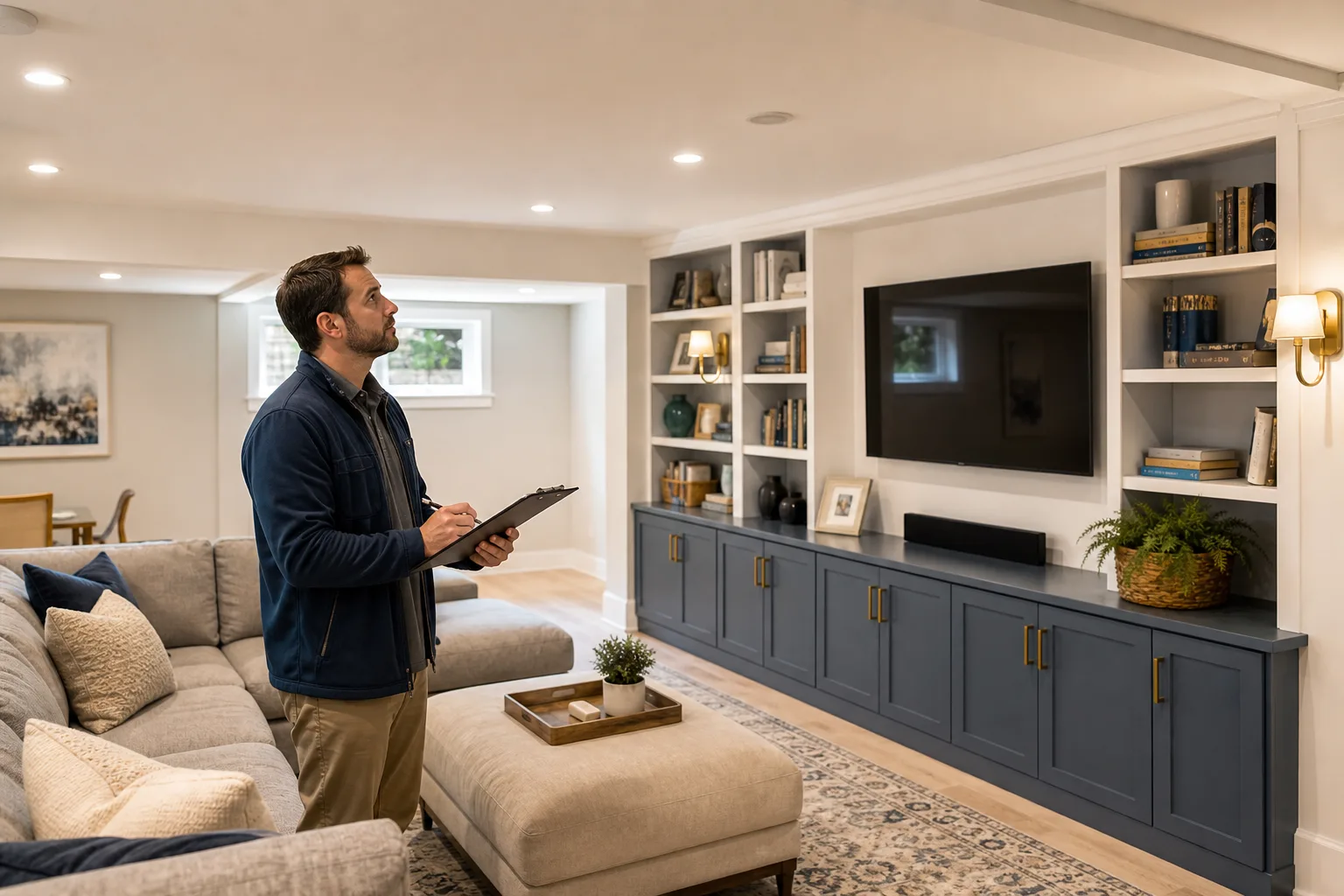
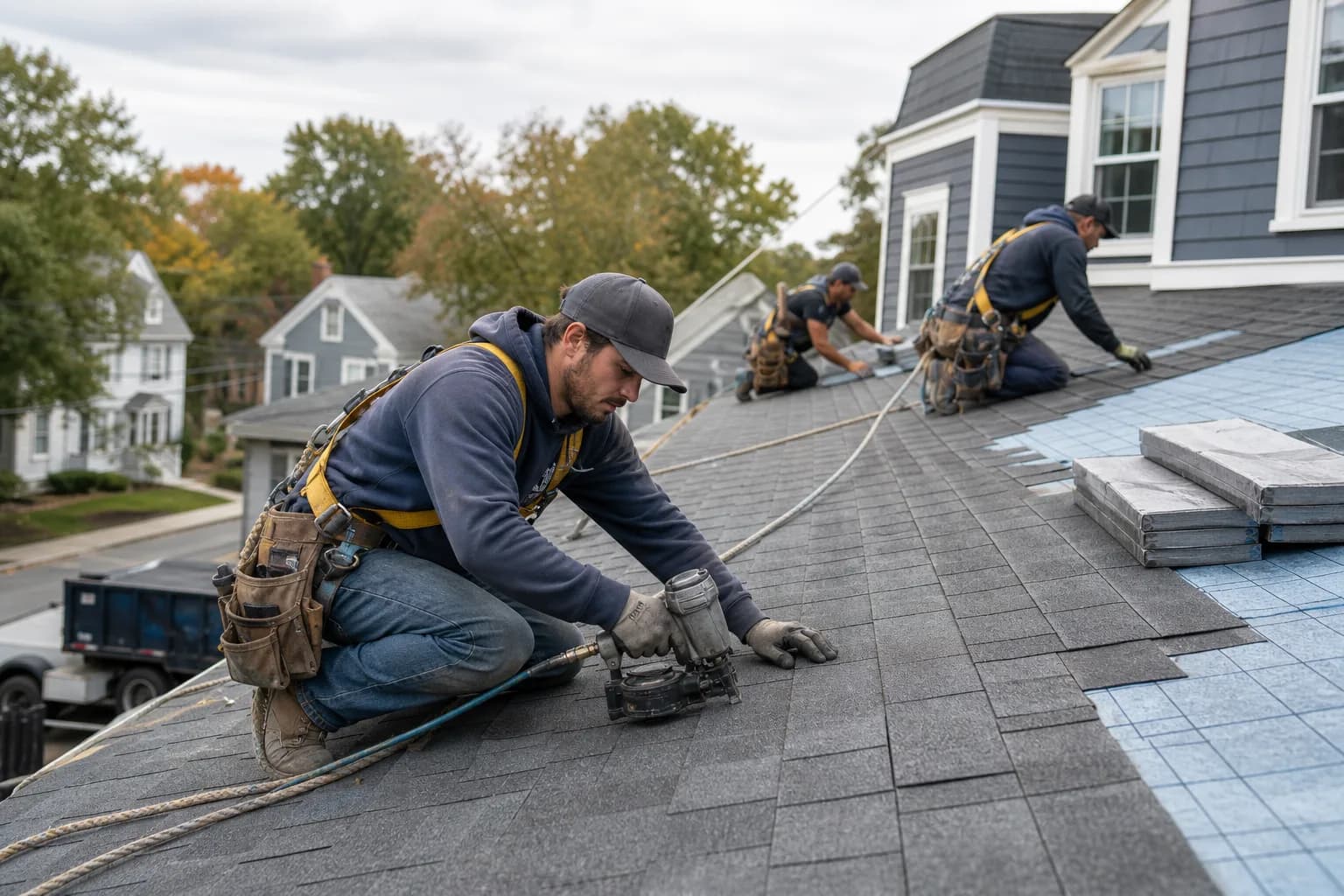
Walk the roof and attic with a camera: hail bruising, granule loss in gutters, lifted tabs, flashing failures, decking stains, ventilation gaps. Present the gallery at the kitchen table in the order you shot it. The homeowner has never seen their own roof up close — whoever shows it to them first owns the trust.
Insurance lane vs. retail lane
Storm work and retail replacements are different sales. Insurance work is documentation work: date-stamped damage photos mapped to the storm date, scope language adjusters recognize, and absolute discipline about staying on the legal side of supplement practices. Retail is value work: tiers, financing, color and curb-appeal tools. Mixing the scripts confuses homeowners and gets companies in trouble — train them as separate plays.
Three tiers that aren't just shingle brands
Differentiate on the system, because that's where roofs actually fail. Severe-weather programs such as IBHS FORTIFIED Roof also define a roof-system scope, not just a shingle choice:
- Good: architectural shingle, code-required underlayment, standard warranty.
- Better: upgraded shingle, synthetic underlayment, full ice-and-water at eaves and valleys, ridge-vent correction.
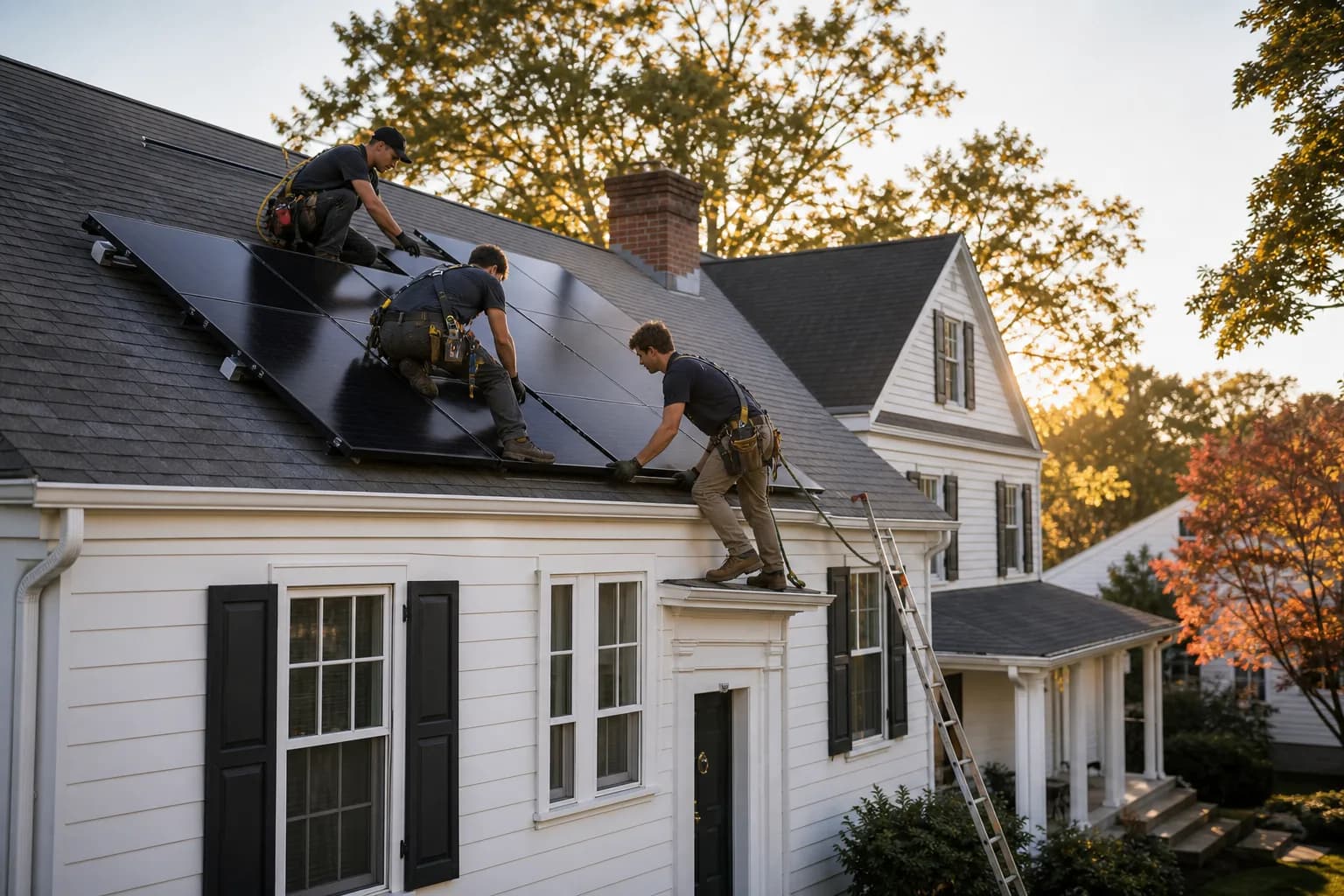
- Best: designer shingle, complete ventilation rebuild, extended workmanship warranty, gutter protection — and a solar-ready note if the home qualifies.
A step-by-step roofing sales visit
Run the same sequence on every visit. A fixed order keeps the quality of the visit the same from rep to rep.
- 1. Confirm why the homeowner called: a leak, storm damage, roof age, or a plan to add solar.
- 2. Inspect the roof and attic. Photograph every finding with a note on where it is.
- 3. Decide the lane: insurance claim or retail replacement. Use that lane's paperwork.
- 4. Show the photos at the table in the order you took them. Explain what each one means.
- 5. Present three system options with the same line items so the homeowner can compare them.
- 6. Review financing if the homeowner wants it. The homeowner applies with the lender.
- 7. Put the scope, tier, color, price, and start window in one written agreement and send it for e-signature.
- 8. Include the cancellation notice that the FTC Cooling-Off Rule requires for your sale, and book the follow-up.
Checklist before you leave the driveway
Check that each of these is done before you leave.
- The photo set is saved to the job and shared with the homeowner.
- The written scope names the underlayment, the ventilation work, the flashing, and the warranty.
- Both decision-makers have seen the proposal, or have a link to it.
- The cancellation notice is in the agreement and the homeowner can find it.
- A dated follow-up is in the calendar.
Common roofing sales mistakes
These mistakes cost deals and create complaints.
- Quoting from the driveway without going on the roof or in the attic.
- Using insurance language on a retail job, or retail language on a claim.
- Tiers that differ only by shingle brand.
- A scope that says 'replace roof' without naming materials and ventilation.
- No written cancellation notice when the rule applies.
- Waiting days to follow up on an open proposal.
Close same-day, in writing, with the plan visible
Roofing's silent killer is the post-handshake cancellation. The antidote is a same-visit digital agreement with the exact scope, tier, color, price, payment terms, and start window — signed on the spot and mirrored to the homeowner's portal. When the neighbor's 'cheaper guy' calls that evening, your customer re-reads a specific document instead of remembering a vague promise. For in-home sales, the FTC Cooling-Off Rule generally requires the contract to carry a notice of the buyer's three-business-day right to cancel. The rule has exceptions, so confirm with counsel and build the notice into the template.
Frequently asked questions
What are the most important roofing sales tips for a new rep?
Get on the roof and in the attic, photograph everything, show the photos before the price, and write the scope down. A new rep who follows the same eight steps on every visit will usually sell better than one who relies on charm.
Does the FTC Cooling-Off Rule apply to every roofing sale?
No. The rule covers sales made at the buyer's home for $25 or more, and it lists exceptions. One exception is a sale where the buyer asked the seller to visit to repair or maintain personal property. Another is a sale where the buyer has a right of rescission under the Truth in Lending Act. Check your own sales with counsel.
What close rate should a retail roofing team expect?
No reliable public benchmark exists. Measure your own: proposals won divided by proposals issued, by lead source. Compare same-day table presentations with emailed quotes in your own pipeline before you set a target.
How do I compete with a quote $4,000 cheaper?
Make the systems comparable: ask for the competitor's scope and walk the homeowner line by line — underlayment type, ventilation, flashing replacement vs. reuse, workmanship warranty. The gap usually lives in what's missing, and your photo set proves why those items matter on their roof.
Should roofers bring up solar?
Yes, as a readiness note rather than a pitch: south-facing area, structural condition, and the cost logic of pairing reroof with solar now versus paying panel-off/panel-on later. It positions you as the planner and opens a second project lane.
Sources
Put this playbook to work on your next visit.
PORTREX gives residential service teams cross-sell prompts, tiered proposals, financing options, e-signature, and a $0 customer portal — in one flow your reps can run at the kitchen table.
Explore proposal templatessizing & cost toolscomparisonspricing